Sports Anxiety | Stress to Strength
Zebra Fires >> Sports>> Sports Anxiety | Stress to Strength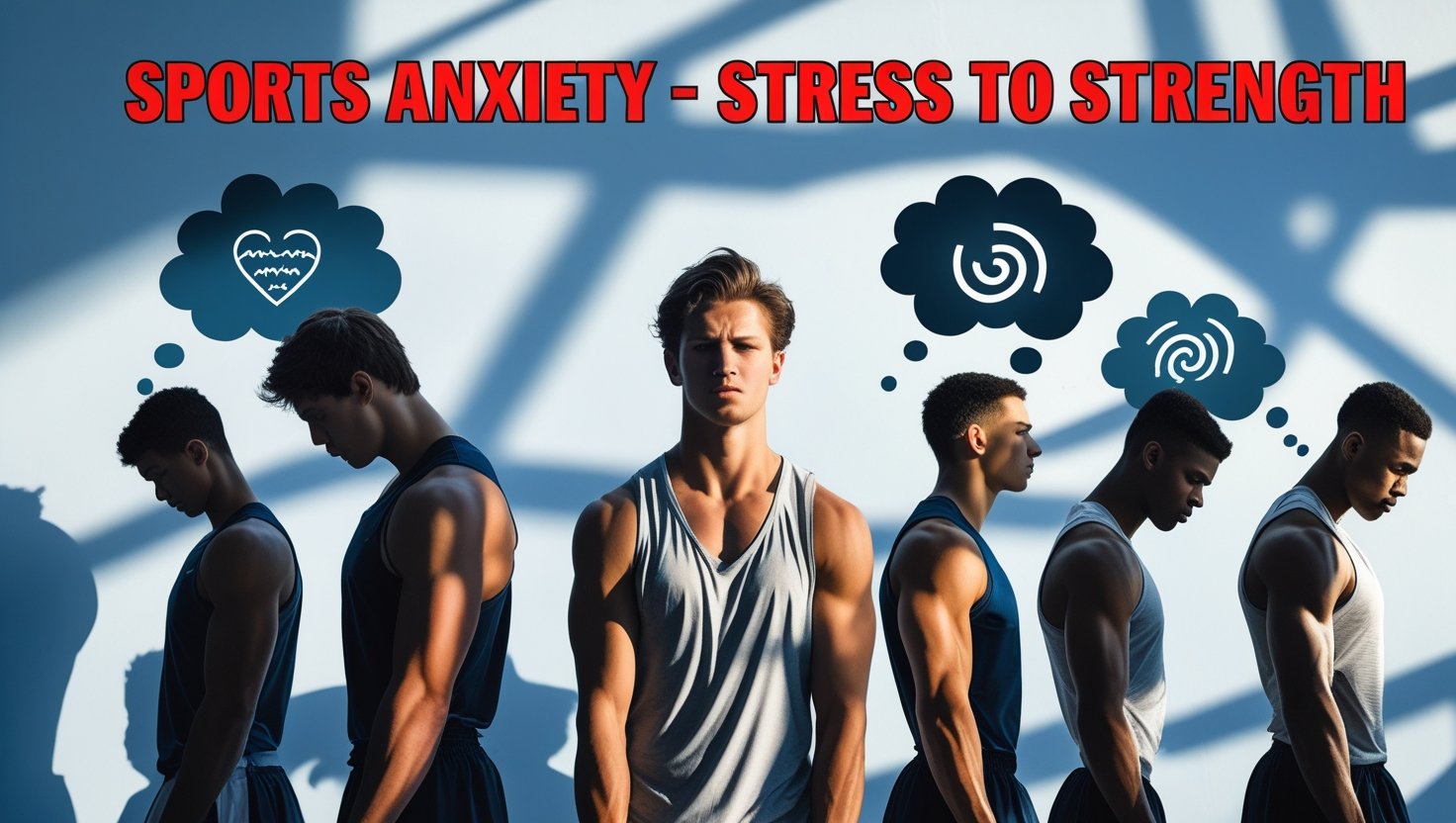
Sports Anxiety | Stress to Strength
In today’s day and age, mental stress is becoming a serious problem among people, and especially among the youth. In sports, this problem is gradually growing among the athletes as well. Stress about not winning, taking stress about the relationships, not performing well on the pitch, and fans hating the athletes, these all factors count in the athlete’s life. Sports anxiety is serious, because of this, many players have retired from the sport earlier than expected. But turning this stress into strength is valuable and much more beneficial for athletes. This article explores how understanding and managing sports anxiety can unlock the mental resilience needed for peak performance and lasting success.
Understanding the Landscape of Sports Anxiety:
Sports anxiety is more than just a case of nerves, it’s a complex interplay between emotional response and physiological reaction. Before a big game or an important match, many athletes experience a surge of adrenaline, rapid breathing, and sometimes even trembling. These signs might seem like obstacles, but they are also natural signals that your body is preparing to engage at a high level. In essence, this anxious state primes you for action, setting the stage for heightened awareness and readiness.
Recognizing these initial symptoms is crucial. The racing heartbeat, tightened muscles, and occasional self-doubt are not signs of inevitable failure; they are early indicators of your body’s preparation for vigorous activity. When athletes learn to identify these responses, they can apply mental techniques to regulate them. Over time, what initially appears as paralyzing anxiety can be reframed as a potent resource—a signal that, when properly harnessed, serves as fuel for superior focus and performance. Ultimately, the key lies in understanding that sports anxiety is a natural, even essential, component of competitive spirit.
The Weight of Pressure:
The pressure of high expectations and the fear of failure play a significant role in shaping an athlete’s performance. In moments of intense competition, heightened sports anxiety can disrupt focus. The anxiety may manifest physically through increased heart rate or muscle tension and mentally through negative self-talk or over-analysis, potentially clouding judgment when every second counts.
However, the impact of anxiety isn’t universally negative. Many athletes report that a controlled level of stress sharpens their senses and boosts their reaction time. The challenge, therefore, lies in distinguishing between debilitating stress and productive arousal. When managed correctly, the same surge of energy that might otherwise impair performance can instead heighten alertness and readiness, transforming potential distractions into catalysts for excellence. By learning to navigate the fine line between nervousness and calculated focus, athletes can convert the weight of pressure into a force that drives them toward victory. This delicate balance is at the heart of mastering sports performance under pressure.
Converting Anxiety into Resilience:
Transforming anxiety into a source of strength is a game-changing approach embraced by elite athletes worldwide. The concept of stress-to-strength is all about reframing your mental state. Instead of viewing anxiety as an enemy, you begin to see it as an ally, a burst of energy that, if directed properly, can enhance your performance. This mental pivot is essential; it shifts the narrative from one of impending disaster to one of heightened capability.
For many champions, the turning point comes through rigorous mental conditioning. Techniques such as self-talk, visualization, and focused breathing allow athletes to decode their anxiety and repurpose it. For instance, when you feel a surge of nervous energy, channel it by visualizing a successful play or by reminding yourself of past victories. This proactive approach transforms what might seem like a vulnerability into a strategic advantage. Rather than crumbling under the pressure, you learn to use that energy to sharpen your concentration and increase your readiness, effectively turning stress into a critical element of your success.
This transformative outlook is not just motivational—it’s backed by the practical experiences of seasoned professionals. Every moment of anxiety becomes an opportunity to test and reinforce your mental resilience. Embracing the idea that stress to strength is possible lays the foundation for a more confident and dynamic performance, where every challenge is met with a powerful response rather than hesitation.
Harnessing Mental Resilience:
Building mental resilience is at the core of converting sports anxiety into an asset. A host of practical techniques can help athletes manage their stress responses effectively and transform nervous energy into focused determination. Among these, mindfulness practices and deep-breathing exercises stand out as fundamental tools. Taking moments during practice or between plays to focus on controlled breathing can interrupt the cycle of anxiety, allowing you to center your thoughts and reclaim calm.
Visualization also plays a critical role in this process. By mentally rehearsing successful performance scenarios, you create a cognitive blueprint that prepares your mind for the challenges ahead. This rehearsal builds confidence and reduces the impact of anxiety when it arises, creating a buffer against negative self-talk and doubt. Coupled with positive affirmations, simple statements like “I am ready” or “I thrive under pressure”, visualization reinforces a confident, focused mindset.
Furthermore, integrating these techniques into your daily routine can yield lasting benefits. Regular practice not only tempers the immediate effects of anxiety but gradually builds your overall capacity to handle high-pressure situations. Working with a sports psychology expert can provide additional personalized strategies tailored to your unique needs. In essence, nurturing your mental resilience equips you with the mental fortitude necessary to transform the vibrations of sports anxiety into a steady rhythm of excellence.
Scientific Insights:
Understanding the biological underpinnings of sports anxiety can lend a scientific edge to mental training. When confronted with high-pressure scenarios, your body responds by releasing hormones such as adrenaline and cortisol, a natural part of the fight-or-flight response. These hormones increase energy levels, sharpen sensory perception, and prime your muscles for swift action. However, an uncontrolled surge can also tip the balance, leading to overstimulation and impaired performance.
Recent research in neuroscience and sports psychology has revealed that it is possible to train your brain to manage these stress responses. By employing techniques like meditation, cognitive behavioral strategies, and targeted visualization, athletes can regulate their hormonal responses and achieve an optimal state of arousal. In this balanced state, you benefit from the heightened energy and focus brought on by adrenaline without falling prey to its potential negative impacts.
Moreover, studies have shown that athletes who engage in systematic mental conditioning are better equipped to maintain composure during pivotal moments. They learn to convert the biochemical signals of anxiety into enhanced alertness and precise execution. This scientific perspective underscores that the brain is not a static entity; it adapts and evolves through consistent training, enabling you to transform sports anxiety into a reliable partner in the quest for sports performance excellence.
A Holistic Blueprint:
Peak athletic performance is achieved through an integrated approach that marries physical conditioning with mental mastery and strategic planning. A holistic blueprint begins with recognizing that your body and mind are interconnected systems. Proper nutrition, regular exercise, and sufficient rest set the physical foundation for performance, while mental training ensures that your cognitive resources are aligned with your competitive goals.
Adopting routines that balance rigorous physical workouts with mental exercises creates synergy. Techniques such as targeted breathing, mindfulness meditation, and visualization are not isolated practices; they work in concert with physical training. This integration helps reduce sports anxiety by fostering an environment where stress is seen as a natural part of growth, rather than as a debilitating obstacle. Coaches and sports psychology professionals increasingly advocate for personalized regimens that consider the unique pressures faced by each athlete. Whether it is through pre-game mental checklists or post-match reflective sessions, these practices build a resilient mindset that enhances both personal well-being and game-day performance.
Ultimately, embracing a holistic strategy means committing to continuous improvement on all fronts. It involves acknowledging that every game, every training session, offers an opportunity to refine not just your physical abilities, but your mental toughness as well. When your mind and body work together seamlessly, you not only mitigate the effects of anxiety but also convert that energy into a competitive advantage. This comprehensive approach is the cornerstone of turning stress into strength, ensuring that you are always at your best when it matters most.
Conclusion:
In the realm of competitive sports, sports anxiety is both a challenge and an untapped resource. By learning to recognize and manage anxiety, through techniques that boost mental resilience, athletes can transform nervous energy into a powerful force for success. Embracing the concept of stress to strength means viewing each moment of tension as a building block for future triumphs, paving the way for smarter, more resilient performance.
FAQs:
- What is sports anxiety?
It is the natural combination of physical and mental reactions, such as increased heart rate and nervous thoughts, that occurs in high-pressure sports situations. - How can sports anxiety affect performance?
While it can disrupt focus and coordination if left unchecked, managed anxiety can also enhance alertness and energy during competitions. - What does ‘stress to strength’ mean in sports?
It means transforming the energy from anxiety into a driving force that boosts performance and builds mental resilience. - How can athletes build mental resilience?
Through practices like mindfulness, controlled breathing, visualization, and positive self-talk, athletes can strengthen their ability to manage anxiety. - What role does sports psychology play in overcoming anxiety?
Sports psychology provides targeted mental strategies and personalized training regimens to help athletes control anxiety and maintain focus under pressure. - How can integrating the mind and body improve sports performance?
A holistic approach that combines physical training with mental conditioning creates synergy, reducing anxiety and transforming stress into competitive strength.