Retro Gaming Boom | Arcade Revival
Zebra Fires >> Gaming>> Retro Gaming Boom | Arcade Revival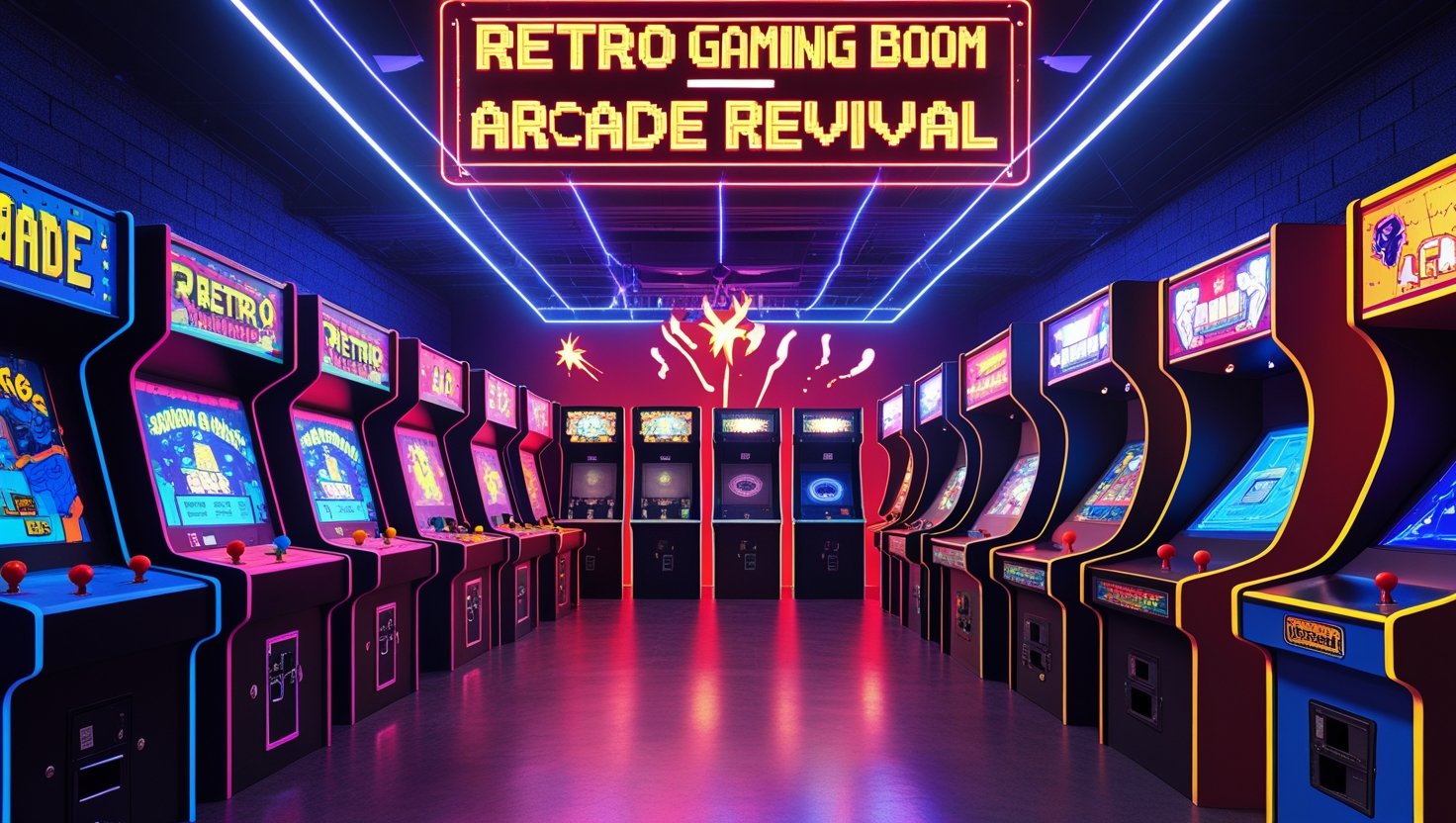
Retro Gaming Boom | Arcade Revival
Remember the unmistakable clatter of pins in a skee‑ball alley or the hypnotic glow of neon lights as you dropped your first token into an arcade cabinet? In today’s fast-paced digital era, there is an unexpected yet heartwarming resurgence of retro gaming, an arcade revival that blends the charm of yesteryear with modern technology. This movement isn’t just about nostalgia; it’s a cultural renaissance that celebrates the simplicity and joy of classic gaming, inviting a new generation to experience the timeless thrill of arcade fun.
The Resurgence of Retro: A Cultural Phenomenon:
Over the past few years, an unmistakable trend has swept across gaming communities and urban centers: the comeback of vintage video games and arcade experiences. This retro gaming boom is powered by a collective longing for the tactile, hands-on experiences that many of us cherished in our youth. Unlike the hyper-realistic, resource-heavy experiences of modern gaming, retro titles offer a refreshing simplicity and focus on pure gameplay. The pixelated graphics, catchy chiptune soundtracks, and straightforward game mechanics evoke a sense of authenticity that modern gamers, along with longtime enthusiasts, find irresistible.
This renewed interest is as much a social phenomenon as a technological one. Communities are forming around retro gaming meetups, tournaments, and online forums, where stories of arcades past fuel the passion for these vintage experiences. As more retro arcades open or revamp old spaces, the revival isn’t just about playing old games, it’s about reliving a cultural era where every high score meant something special.
From Cabinets to Consoles: A Journey Through Time:
To truly appreciate the arcade revival, one must take a journey back to the origins of video gaming. In the 1970s and 1980s, arcades were the birthplace of a generation’s gaming memories. Iconic machines like Space Invaders, Pac-Man, and Donkey Kong weren’t just games; they were communal experiences, social hubs where friends gathered and rivalries blossomed over a shared love of gaming.
These classic cabinets, with their bold artwork and simple, yet addictive gameplay, set the stage for what would become a global phenomenon. In many ways, the retro gaming boom is a tribute to the inventiveness and energy of these early pioneers. Today’s retro enthusiasts marvel at how these games managed to captivate players without the advanced graphics and sound effects we take for granted. They find beauty in the straightforward design and playability, a stark yet refreshing contrast to the complexity of modern titles.
Modern consoles and indie game developers frequently revisit these old classics, reimagining them for new audiences while preserving their core appeal. This revival underscores the enduring appeal of vintage gaming, showing that even decades later, the magic of a well-designed game can transcend the boundaries of time.
Modern Arcades: Where Nostalgia Meets Innovation:
The face of arcades today is evolving fast. Instead of dusty, abandoned halls, modern arcades are emerging as vibrant entertainment centers that combine the retro flair of classic gaming with innovative technology. These new-age arcades are characterized by sleek interiors bathed in neon lights, interactive displays, and an eclectic mix of classic cabinets alongside updated digital installations.
In many cities, these venues serve as social hubs where families, friends, and even gamers seeking a break from digital overload can come together. They offer a multisensory experience that extends beyond the screen; think themed decor, retro-inspired cocktails, and live events such as high-score challenges and throwback tournaments. This blend of old and new caters to a broad audience, from those who remember the glory days of arcade culture to younger generations curious about the roots of gaming history.
Technological innovations like VR turntables and augmented reality integrations are now part of the modern arcade landscape. These advancements not only pay homage to the original games but also push the boundaries of what retro gaming can be. By merging nostalgia with cutting-edge tech, modern arcades create an immersive experience where every visit feels like stepping into a time capsule with a futuristic twist.
Community, Competition, and Creativity in Retro Gaming:
One of the most compelling aspects of the retro gaming boom is its ability to forge strong community bonds. Arcades have always been about more than just the games—they’re about people coming together to share joyous, competitive, and sometimes even transformative experiences. Today’s retro arcades host a variety of community-driven events: local high-score competitions, themed nights, and gaming clubs that welcome enthusiasts of all ages.
Competitive play in retro gaming is unique because it strips away the complexity of modern games, focusing attention on pure skill and strategy. Without the distractions of elaborate storylines or graphics, players can delve into the mechanics of the game itself, honing their reflexes and learning the nuances of gameplay. This straightforward competition often leads to intense rivalries, lifelong friendships, and a few lighthearted moments that are cherished by all.
Furthermore, creativity flourishes in this environment. Indie developers frequently draw inspiration from classic arcade games, designing innovative titles that capture the spirit of the originals while introducing fresh twists. This creative interplay between the old and the new not only keeps the retro gaming scene vibrant but also ensures that the arcade revival remains a dynamic and evolving aspect of the gaming industry.
Economic Impact and Business Opportunities of the Arcade Revival:
The resurgence of retro gaming is more than just a cultural trend, it’s also reshaping the economic landscape. Today, investors, entrepreneurs, and established brands are recognizing the potential of the arcade revival as a sustainable business model. Revamped arcades and retro-themed entertainment centers are sprouting across urban centers, driven by consumer demand for unique, experiential outings that offer a break from the digital mundane.
Establishments that successfully tap into this trend see diverse revenue streams, from traditional game token sales and merchandise to food and beverages, and even exclusive event hosting. Many retro arcade spaces have become hotspots for corporate events, birthday parties, and social gatherings, proving that the appeal of vintage gaming extends well beyond hardcore gamers.
Further fueling this boom is the strategic use of social media and digital marketing. Local arcades are leveraging platforms to create community buzz, promote events, and showcase their unique offerings. The combination of traditional arcade nostalgia and modern business acumen is proving to be a winning formula, with impressive economic upside and numerous investment opportunities in the high-potential retro gaming market.
Future Trends: What’s Next for the Retro Gaming Boom?
As the arcade revival gains momentum, what does the future hold for retro gaming? Industry experts predict that the trend is far from a fleeting moment; rather, it is an enduring shift in how we perceive and interact with games. One promising aspect is the convergence of retro gaming with emerging technologies. From AI-driven game modifications to hybrid arcade‑home setups, the future may see breath‑taking innovations that make classic games more interactive and socially engaging than ever before.
In addition, the cultural appetite for authenticity and nostalgia continues to grow. This means we are likely to see more collaborations between big game studios and indie developers, resulting in remakes, remasters, and entirely new titles that carry the unmistakable spirit of arcade excellence. Educational initiatives and museums celebrating the history of video gaming are also on the horizon, ensuring that future generations can learn from and appreciate the legacy of the arcade era.
Moreover, as urban spaces continue to evolve, we may witness the transformation of abandoned storefronts and derelict buildings into state-of-the-art retro gaming hubs. These spaces will not only revive local communities but also offer immersive experiences that bridge the gap between digital innovation and analog charm. The retro gaming boom is setting the stage for a revolution where the past, present, and future of gaming coexist in a vibrant, ever-evolving tapestry.
Conclusion:
The retro gaming boom and arcade revival are much more than nostalgic flashbacks, they are dynamic movements that celebrate the spirit of simplicity, creativity, and community. By reconnecting with the charm of classic games, modern arcades are not only reviving a lost era but also paving the way for innovative experiences that blend the old and the new. Whether you’re a veteran gamer longing for the simplicity of pixel art or a newcomer eager to discover the roots of video gaming, the revival of retro gaming promises to deliver excitement, community, and endless inspiration.
FAQs:
1. What is the retro gaming boom?
The retro gaming boom refers to the renewed popularity of classic video games and arcade experiences, driven by nostalgia and a desire for simple, engaging gameplay.
2. Why is arcade revival important in today’s digital age?
Arcade revival brings people together in physical spaces, offering a unique social and interactive experience that contrasts with the solitary nature of modern gaming.
3. How are modern arcades different from traditional ones?
Modern arcades blend classic game cabinets with cutting-edge technology, updated decor, and interactive experiences to appeal to both nostalgic fans and new audiences.
4. What economic opportunities does retro gaming offer?
Retro gaming opens up diverse revenue streams through themed entertainment centers, merchandise, event hosting, and even collaborations between established brands and indie developers.
5. How is the retro gaming trend influencing modern game development?
The trend inspires game developers to incorporate classic design elements and simple mechanics into new titles, resulting in innovative games that honor the past while looking to the future.
6. What future trends can we expect in the arcade revival movement?
Expect advances such as AI-enhanced retro gaming, hybrid arcade‑home setups, and the transformation of urban spaces into immersive retro gaming hubs that blend modern tech with vintage charm.